Is hiring a foreclosure attorney worth it, or can you negotiate with your lender yourself
By Thomas Osei · Updated 2026-07-10
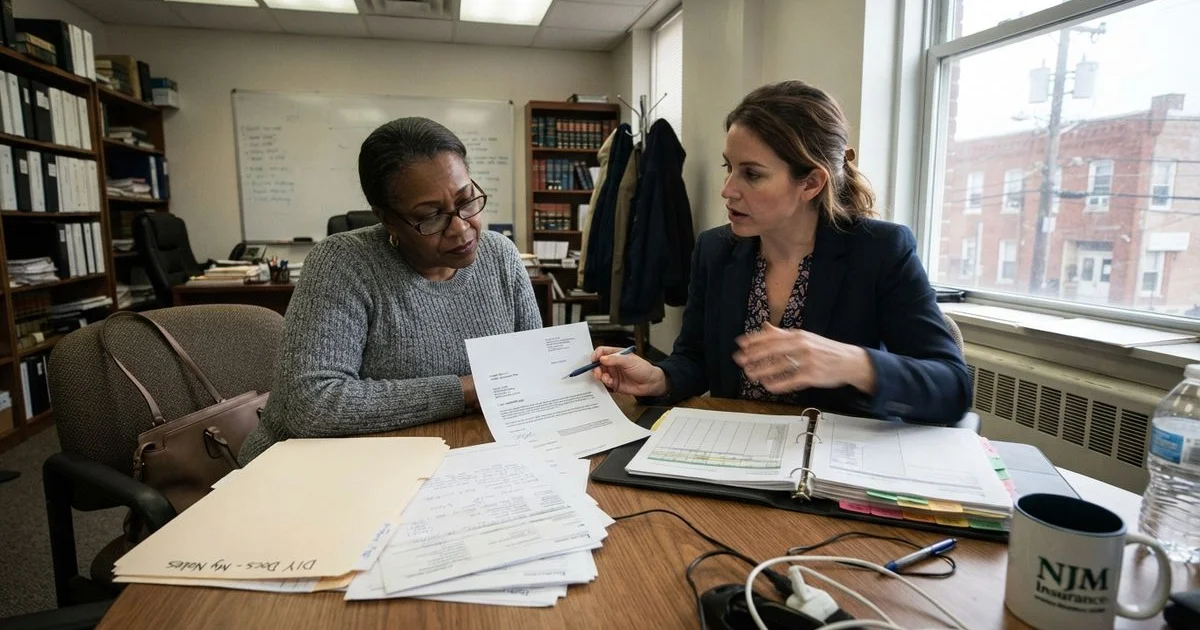
Once a mortgage payment gets missed, the question almost everyone in Trenton Metro asks is the same: do I really need a lawyer for this, or can I just call the bank myself? The honest answer depends on how far along the case already is and what you’re trying to protect.
This is general information, not legal advice for your specific case. A licensed attorney who reviews your loan documents and the actual foreclosure complaint can tell you what your options really are.
What negotiating on your own actually involves
Federal servicing rules give homeowners the right to apply for loss mitigation directly, without an attorney. In practice that means gathering pay stubs, tax returns, a hardship letter, and a completed application package, then following up repeatedly until someone at the servicer reviews it. Many homeowners do this successfully for a straightforward repayment plan or a modification when the servicer is cooperative and the case hasn’t reached a courtroom yet.
Where it gets harder: servicers lose paperwork, review timelines drag past their own deadlines, and a single missing document can restart the clock. None of that is illegal, it’s just what a high-volume review process looks like from the outside.
What an attorney adds once things escalate
New Jersey runs a judicial foreclosure process, meaning the lender has to file a lawsuit and get a judge’s signoff before a sale can happen. Once you’re served with a summons and complaint, you’re on a strict answer deadline, and that’s where legal representation tends to matter most. An attorney can:
- Check whether the plaintiff can actually prove it holds your note and has the right to sue (a standing challenge, one of the more common defenses raised in New Jersey foreclosure cases)
- Spot notice or procedural defects that can slow the case or force a do-over
- File a formal answer instead of letting a default judgment enter automatically
- Represent you in the state’s foreclosure mediation program, where lender attorneys negotiate against homeowners who often don’t have their own
- Coordinate with a bankruptcy filing if that becomes part of the strategy

DIY vs. hiring an attorney, side by side
| Situation | Doing it yourself | Working with an attorney |
|---|---|---|
| No lawsuit filed yet, servicer is responsive | Often workable | Optional, useful as a second opinion |
| Summons and complaint received | High risk of missed deadlines | Recommended, deadlines are strict |
| Suspected errors in fees or loan history | Hard to prove without discovery tools | Attorney can request records and challenge charges |
| Sale date already scheduled | Very limited options left | Attorney can evaluate emergency motions or bankruptcy |
| Straightforward hardship, clear path to reinstatement | Reasonable to try alone first | Can speed up the paperwork side |
Reading the corpus of local reviews
Across attorney reviews in this directory, the recurring praise points are responsiveness and clear explanations of what’s happening in the case. The recurring complaints are the opposite: slow callbacks, unclear billing, and cases where nobody explained next steps until a deadline was already close. Whichever attorney you consider, ask directly how often they’ll update you and how their fees are structured before signing anything. That single conversation predicts a lot about the experience ahead.
If you decide legal help makes sense, browsing foreclosure defense attorneys in Trenton Metro is a reasonable next step, and this directory ranks them using a documented process explained on the how we score page rather than paid placement.
When DIY genuinely makes sense
Not every case needs a lawyer. If you’re only a payment or two behind, your servicer has a track record of approving modifications without a fight, and no legal papers have been filed, spending money on representation may not change the outcome. Save the legal budget for if and when the case actually escalates.
When to stop waiting and call someone
Two situations should move you off the fence quickly: receiving a summons and complaint, or seeing a sale date get scheduled. Both come with fixed timelines that don’t bend for confusion or delay. A short consultation, often free, is usually enough for an attorney to tell you whether your case needs full representation or just a review of paperwork you can still handle yourself.
The homepage for this directory has the full list of ranked local firms if you want to compare more than one option before committing.
Frequently asked questions
- Can I negotiate with my mortgage servicer without a lawyer?
- Yes, especially early on. Servicers are required to review loss mitigation applications directly from homeowners. It gets harder once a lawsuit is filed or a sale date is set, when legal deadlines and court procedure start to matter more than paperwork.
- What does a foreclosure attorney do that I can't do myself?
- An attorney can check whether the lender actually has the legal right to foreclose, catch procedural errors that can delay or dismiss a case, respond to a complaint within the court's deadline, and represent you at mediation or in court.
- How do I know if my case is simple enough to handle alone?
- If you're early (no lawsuit filed yet), your hardship is well documented, and the servicer is responsive, a self-negotiated loan modification or repayment plan is often realistic. If a summons and complaint have already arrived, get a legal opinion before doing anything else.
- Does hiring an attorney guarantee I keep my house?
- No. An attorney improves your odds and your options, but outcomes depend on your finances, the lender's records, and the specific facts of your case. Anyone who guarantees a result is a red flag.
Related on this site
- Browse foreclosure defense providers
- New Jersey's foreclosure process and timeline: what the law requires
- You received a notice of default: what to do first
- What a foreclosure attorney costs in New Jersey
- Debt settlement vs bankruptcy: which one actually stops collection calls and protects your home
- All guides →