New Jersey's foreclosure process and timeline: what the law requires
By Thomas Osei · Updated 2026-07-23
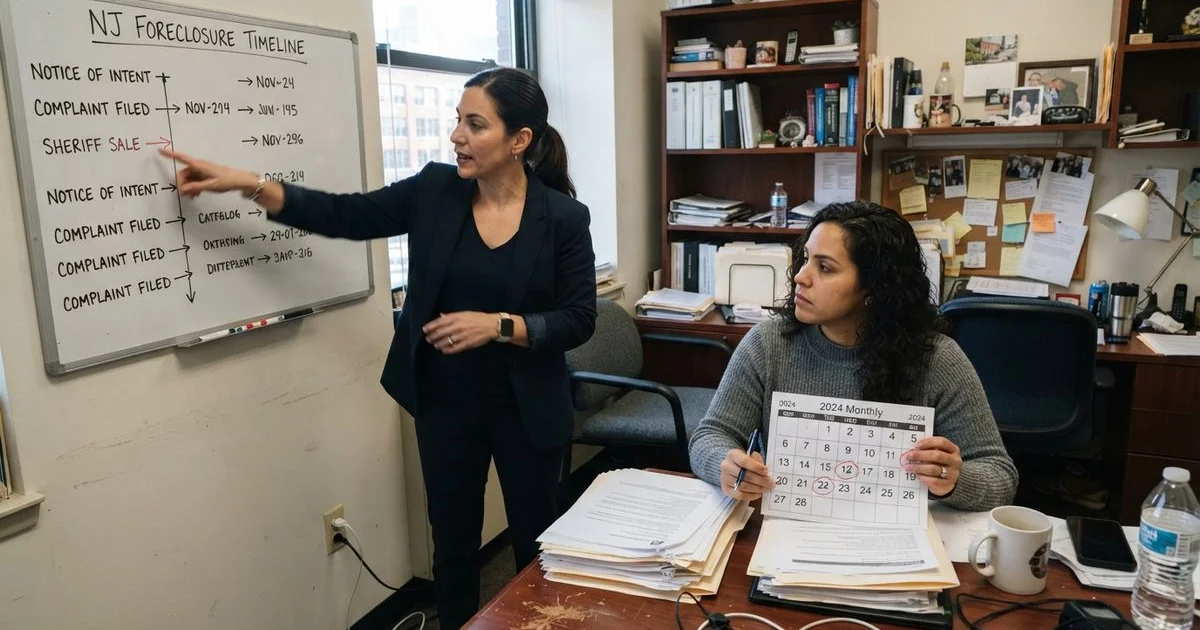
New Jersey uses judicial foreclosure, meaning a lender cannot take a home without first winning a lawsuit in court. That single fact shapes the entire timeline and gives homeowners more built-in opportunities to respond than states with faster, non-judicial processes.
This is general information about how the process typically works, not legal advice for your case. A foreclosure defense attorney reviewing your loan file and court docket can tell you exactly where your case stands and what deadlines actually apply to you.
The stages, in order
| Stage | What happens | Rough timing |
|---|---|---|
| Missed payments | Loan goes into default per the mortgage terms | Immediate, but grace periods vary |
| Pre-foreclosure notice | Lender must notify you of default and cure rights | At least 30 days before a complaint can be filed |
| Complaint filed and served | Lawsuit formally begins, you’re served with papers | Triggers your response deadline |
| Answer deadline | You (or your attorney) must respond in writing | Generally 35 days from service |
| Foreclosure mediation | Optional court program to negotiate alternatives to sale | Scheduled after an answer or request |
| Judgment | Court rules for the lender if uncontested or unresolved | Timing varies widely by county and court load |
| Sheriff’s sale | Public auction of the property | Scheduled after judgment, often weeks later |
| Post-sale | Sale confirmed, deed transfers | Varies, sometimes with a short window after the sale |
Why the early notice period matters
The pre-foreclosure notice is the law’s built-in warning. It has to spell out exactly what’s owed, how to cure the default, and that free counseling resources exist. Homeowners who use this window to apply for a loan modification, arrange a repayment plan, or at minimum start talking to an attorney tend to have more options than those who wait until a complaint actually arrives.
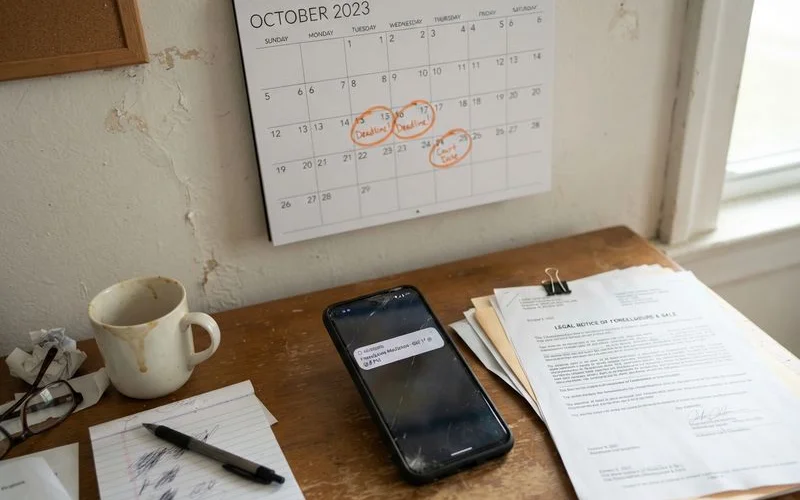
The answer deadline is the hardest line in the process
Once served with a summons and complaint, the clock on your formal response starts immediately, and it doesn’t pause for confusion or a slow start finding an attorney. Filing an answer preserves your right to contest the case, raise defenses such as a lack of standing or improper notice, and access the state’s foreclosure mediation program. Letting the deadline pass without responding typically leads to a default judgment, after which your options narrow considerably.
Mediation: an underused middle step
New Jersey’s foreclosure mediation program brings homeowners and lender representatives together with a neutral mediator to explore alternatives, most commonly a loan modification, before the case proceeds toward judgment. It’s not automatic in every case and generally requires a timely request. Homeowners who show up prepared, with income documentation and a clear ask, get more out of this step than those who attend without preparation.
After judgment: the sheriff’s sale and what follows
Once the court enters judgment for the lender, the sale gets scheduled through the county sheriff’s office. This is genuinely the last practical off-ramp: options at this stage are narrow and typically involve last-minute negotiation, a bankruptcy filing to invoke the automatic stay, or selling the property before the sale date. After a sale is confirmed, ownership transfers, so anything you’re going to do to change the outcome needs to happen before that point.
County-level variation is real
Court schedules, sheriff’s office availability, and case backlogs differ from county to county across Trenton Metro, which means two otherwise similar cases can move at noticeably different speeds depending on where the property sits. An attorney familiar with the local court where your case is filed can usually give a more grounded estimate than any general statewide average.
What this means for your timeline
If you’re early, before a complaint has even been filed, you have the most flexibility and the least urgency. If you’ve been served, the 35-day answer window is the single most important date on your calendar. If a sale date already exists, time is genuinely short, and getting a same-week consultation matters more than comparison shopping among firms.
The homepage for this directory lists local foreclosure defense attorneys ranked using the method explained on the how we score page, which can help you move quickly once you know which stage you’re in.
Frequently asked questions
- How long does the whole foreclosure process take in New Jersey?
- There's no fixed number. Contested cases with an active defense commonly run well over a year from the first missed payment to a sheriff's sale; uncontested cases can move faster. Court backlogs and whether you respond to the complaint both affect the timeline significantly.
- What is the first legal notice I'll receive?
- New Jersey law requires lenders to send a pre-foreclosure notice at least 30 days before filing a foreclosure complaint. It has to explain the default, what's needed to cure it, and that you have the right to cure the default within that window.
- How much time do I have to respond once I'm served with a complaint?
- Generally 35 days from being served to file a formal answer. Missing that deadline risks a default judgment, meaning the case proceeds without your input at all.
- Can I stay in the house until the sheriff's sale happens?
- Usually yes, you can remain in the home through the court process and up to the sale itself, and sometimes for a period after, but this varies by case and should be confirmed with an attorney reviewing your specific court docket.
Related on this site
- Browse foreclosure defense providers
- Is hiring a foreclosure attorney worth it, or can you negotiate with your lender yourself
- You received a notice of default: what to do first
- Can a lender sue you after foreclosure? Deficiency judgments in New Jersey
- Renters' rights in New Jersey when a landlord's property is foreclosed
- All guides →