Renters' rights in New Jersey when a landlord's property is foreclosed
By Thomas Osei · Updated 2026-08-23

Renters are often the least informed party in a foreclosure, despite having real legal protections. If a rental property you live in goes through foreclosure, you’re not automatically out on the street the day the sale closes.
This is general information, not legal advice for your specific lease or situation.
The core federal protection
Under federal law, a “bona fide” tenant (generally meaning a genuine, arm’s-length rental arrangement, not a deal with a relative at below-market rent) is entitled to stay through the end of an existing lease term, or receive at least 90 days’ written notice to vacate if there’s no fixed lease term, or if the new owner intends to occupy the property themselves. This applies regardless of what the prior landlord may have told you about the foreclosure.
| Situation | What’s generally required |
|---|---|
| Fixed-term lease, new owner is an investor | Lease continues through its end date |
| Fixed-term lease, new owner plans to live there | At least 90 days’ notice, even if the lease term is longer |
| Month-to-month, no written lease | At least 90 days’ notice to vacate |
| Tenancy arrangement with a prior owner’s relative, below market rent | May not qualify as bona fide; can affect these protections |
Why a lot of tenants get caught off guard
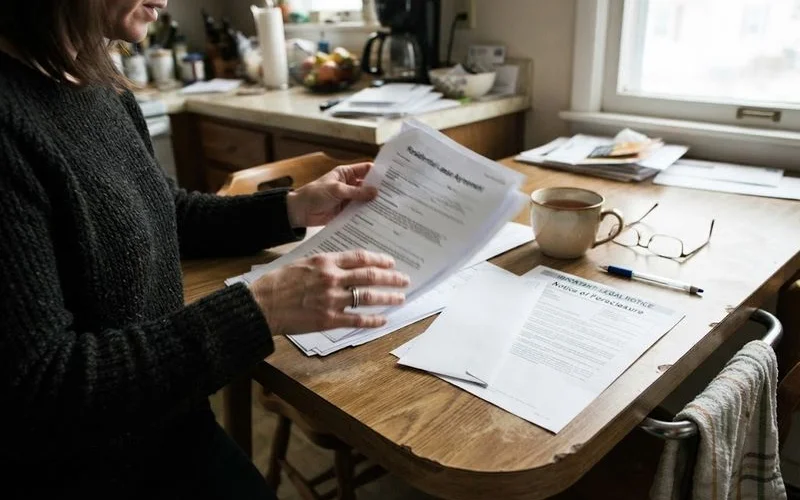
Many renters only learn about a foreclosure when a notice appears on the door or a new party contacts them about rent, sometimes with confusing or inconsistent information. Neither a sheriff’s sale notice nor a change in ownership automatically ends a valid lease. If you receive any notice to vacate, check the timeline against your actual lease terms and the 90-day minimum before assuming you have to leave sooner than the law requires.
Habitability and repairs during the transition
A pending or completed foreclosure doesn’t relieve whoever legally owns the property of basic habitability obligations, such as working heat, water, and structural safety. If maintenance requests go unanswered during an ownership transition, document the issue in writing and keep copies, since responsibility can be genuinely unclear for a period between owners and a paper trail helps establish who was on notice and when.
Rent payments during the transition
Keep paying rent as usual unless and until you receive clear, verified instructions on where payments should go. Get written confirmation of the new owner or management contact before redirecting rent payments, since paying the wrong party doesn’t protect you from a claim that rent wasn’t paid. Keep records of every payment made during this period.
The security deposit problem
Security deposits can become genuinely complicated in a foreclosure. If the prior landlord held the deposit in a properly maintained account, it may transfer with the property and remain your right to reclaim at move-out. If it wasn’t handled properly, or the prior landlord can’t be located, recovering it may require pursuing the prior landlord directly rather than the new owner, since the new owner generally isn’t responsible for a deposit they never received.
What happens once the protected period ends
The 90-day notice period, or the remainder of a fixed lease term, is a floor, not a permanent arrangement. Once it expires, a new owner is generally free to decline renewing the lease, offer a new lease with different terms, or ask you to vacate through the normal legal process for ending a tenancy. Using the protected period to start planning your next move, rather than assuming the arrangement will continue indefinitely, avoids a scramble later.
What to do if you receive a notice
Don’t assume a notice to vacate is automatically valid. Compare the timeline given against your lease and the 90-day minimum, request documentation confirming the new ownership and their intentions for the property, and keep every piece of correspondence. If the timeline given is shorter than what the law requires, or the situation is unclear, a tenant rights or real estate attorney can clarify your specific protections quickly, often before you need to make any decisions about moving.
Local attorneys who handle real estate and tenant matters are listed on the homepage, ranked using the method described on the how we score page.
Frequently asked questions
- Do I have to move out immediately if my landlord's property is foreclosed?
- Not immediately. Federal protections generally require the new owner to honor an existing lease through its end date, or give at least 90 days' notice to vacate if there's no fixed-term lease or the new owner plans to move in themselves.
- What happens to my security deposit if the property is foreclosed?
- This depends on what happened to the deposit before the foreclosure. If it was held properly, it may transfer to the new owner's obligation; if the prior landlord mishandled it, recovering it can require separate legal action against that landlord specifically.
- Can a new owner raise my rent right after taking over the property?
- During the protected notice period or the remainder of a valid lease term, terms generally continue as they were. Once that period ends, a new owner can typically set new terms for any future lease.
- Do these protections apply if I don't have a written lease?
- Yes, month-to-month tenancies without a written lease are still generally covered by the notice requirement, though the specifics of what counts as a valid, bona fide tenancy can matter, particularly if the tenant has any relationship to the prior owner.