What a foreclosure attorney costs in New Jersey
By Thomas Osei · Updated 2026-07-13
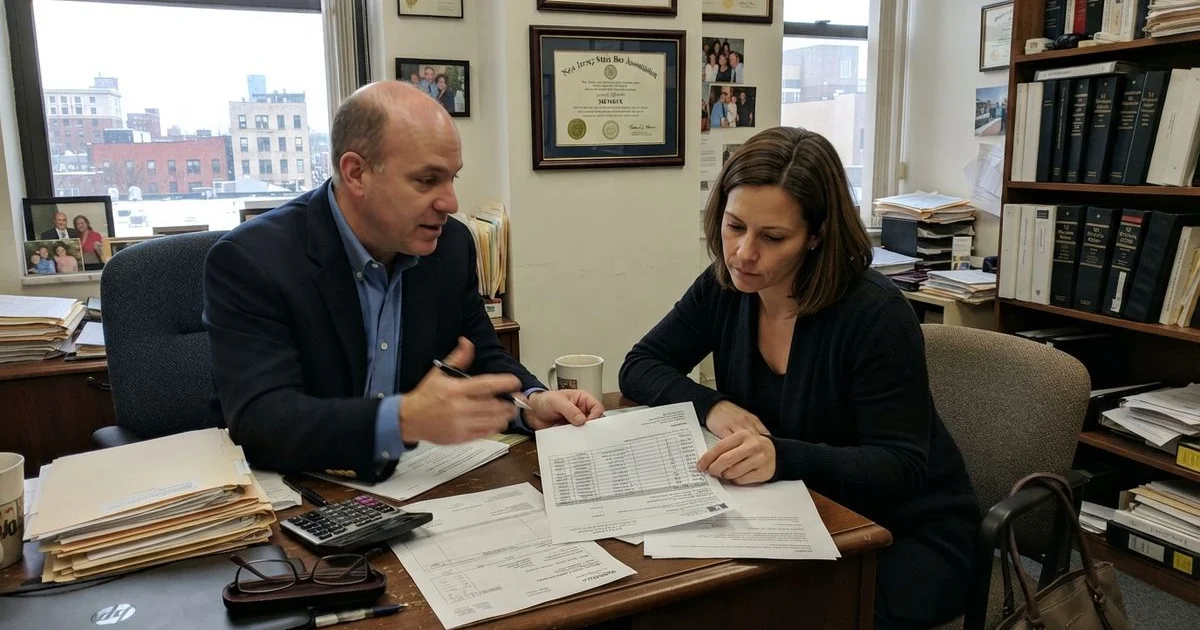
Cost is usually the first question homeowners ask once they decide legal help might be needed, and it’s a fair one. This is general information, not a quote. A licensed attorney reviewing your specific case, mortgage documents, and current stage of foreclosure can give you an actual number.
What typically drives the price
Foreclosure attorney fees in New Jersey vary mainly based on three things: how complex the case is, how far along the foreclosure has already progressed, and whether bankruptcy is part of the plan.
A simple case, where you don’t dispute the debt and just need representation to slow things down or negotiate, costs less than a case involving disputed fees, servicing errors, or a challenge to whether the lender even has standing to sue. Cases already in active litigation cost more to take on than ones caught early, since there’s more court work to do from day one. Adding a Chapter 13 bankruptcy filing on top of a foreclosure defense, often done to use the automatic stay and catch up arrears over time, adds its own separate fee.
| Case type | Typical cost driver | Relative cost |
|---|---|---|
| Simple, no dispute of debt, early stage | Paperwork and negotiation only | Lower |
| Disputed fees or servicing errors | Discovery, document review, back-and-forth negotiation | Moderate |
| Complex (title issues, predatory lending claims) | Extended litigation, expert review | Higher |
| Foreclosure defense plus Chapter 13 filing | Two separate legal processes running together | Highest |

Flat fee vs. hourly, and what each one means for you
Flat fees are common for defined scopes of work: filing an answer, attending mandatory mediation, or negotiating directly with the servicer’s attorney. You know the number upfront, which makes budgeting easier, but ask exactly what’s included and what would trigger an additional charge (a trial, an appeal, or extended discovery, for example).
Hourly billing shows up more in complex or unpredictable cases, where nobody can reasonably estimate the total hours in advance. If you’re quoted hourly, ask for a written estimate of the likely range and how often you’ll receive itemized billing. Reviews across attorneys in this directory consistently flag billing surprises and unclear invoices as a source of frustration, so getting fee terms in writing before signing a retainer is worth the extra ten minutes.
Bankruptcy attached to a foreclosure case (commonly Chapter 13, to catch up arrears over a repayment plan) is billed separately from the foreclosure defense itself and is almost always a flat fee plus filing costs, since bankruptcy fee structures are more standardized.
Free consultations and payment plans
Nearly every foreclosure attorney in the area offers a free initial consultation to review your situation and quote a fee before you commit. Some firms also offer payment plans that split the fee into smaller monthly amounts rather than requiring it all at signing, which matters if cash is already tight from missed mortgage payments. It’s reasonable to ask about payment plan options during the free consultation itself rather than waiting to be offered one.
Is it ever worth paying more
For a case that’s already in litigation, involves a real dispute over the debt, or includes a bankruptcy filing, a more experienced attorney often earns their higher fee back through better negotiated outcomes or a faster resolution. For an early-stage, undisputed case, the cheaper option with a clear, written scope of work is frequently just as effective, since the work itself is more procedural than strategic.
Whatever the fee structure, get it in writing before signing anything, and confirm what happens to the fee if your case resolves faster (or slower) than expected. If you are still weighing whether to hire anyone at all, the guide on whether a foreclosure attorney is worth the cost walks through that trade-off against negotiating with your lender yourself.
Fees you might not expect
Beyond the attorney’s own fee, ask about court filing fees, costs for obtaining certified copies of loan documents, and mediation-related expenses if your case reaches that stage. These are typically smaller than the attorney’s fee itself but can add up, and a written fee agreement should spell out whether they’re included or billed separately as they come up.
Comparing options
This directory ranks local foreclosure attorneys using a documented scoring method described on the how we score page, rather than by who pays for placement. The homepage has the full ranked list if you want to compare fee structures and reviews side by side before booking a consultation.
Frequently asked questions
- Do foreclosure attorneys charge flat fees or by the hour?
- Both models exist. Many foreclosure defense attorneys quote a flat fee for handling the case through a certain stage, such as filing an answer and attending mediation, then bill hourly if the case goes further. Bankruptcy filings are almost always flat fee plus court costs.
- Does a free consultation actually cost nothing?
- Most initial consultations are free and are meant to assess your situation and quote a fee. Ask directly whether the consultation itself is free before you book it, since a small number of firms charge for an initial case review.
- Can attorney fees be added to the mortgage or paid over time?
- Some attorneys offer payment plans instead of requiring the full fee upfront. Attorney fees are separate from what you owe the lender and generally cannot be rolled into the mortgage itself, though a Chapter 13 bankruptcy plan can spread out repayment of legal costs alongside arrears.
- Is it worth paying more for a more experienced attorney?
- Complex cases, such as those involving disputed loan servicing, title problems, or an added bankruptcy filing, tend to benefit most from experience. For a straightforward case, a lower-cost attorney with a clear process can be just as effective.