What to expect at a foreclosure attorney consultation
By Thomas Osei · Updated 2026-08-03
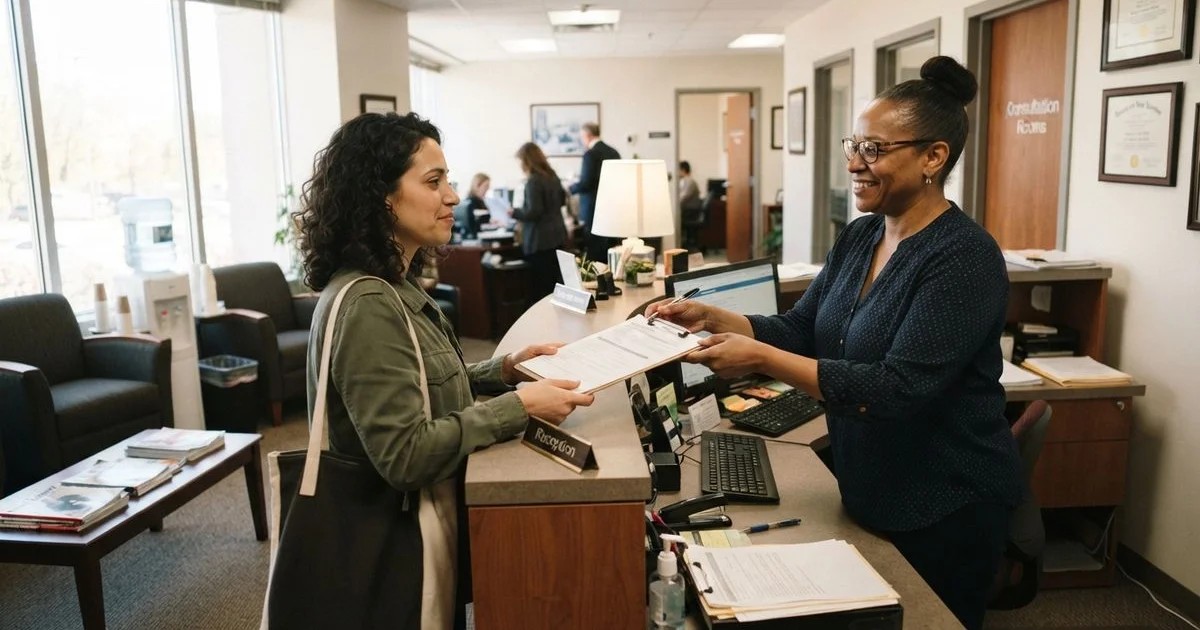
Walking into a first meeting about foreclosure feels heavier than it needs to. Most consultations are free, low-pressure, and exist mainly to figure out what’s actually going on with your case and what your realistic options are.
What to bring
Coming prepared makes the meeting far more useful, since a lot of the first conversation is fact-gathering.
| Bring this | Why it matters |
|---|---|
| Recent mortgage statement | Shows the balance, arrears amount, and servicer contact |
| Any notice of default or foreclosure complaint received | Establishes exactly what stage the case is at and key deadlines |
| Pay stubs or proof of income | Needed to assess options like a modification or Chapter 13 plan |
| A written timeline of your hardship | Helps the attorney understand what changed and whether it’s resolved |
| Any prior correspondence with the servicer | Can reveal errors or a pattern worth raising later |

How the meeting usually goes
The attorney will typically start by asking what’s happened so far: when payments stopped, what notices you’ve received, and what your income situation looks like now versus when the mortgage was taken out. From there, most consultations move into a walk-through of realistic options: negotiating directly with the servicer, a loan modification, a formal legal defense if a case has been filed, or bankruptcy if the numbers point that way. A good consultation ends with a clear next step, not just a list of possibilities.
Questions worth asking
Beyond your own situation, it’s worth using part of the meeting to evaluate the attorney directly:
- How will you keep me updated as the case moves, and how quickly do you typically respond to calls or emails?
- What’s your fee structure for my specific situation, flat fee or hourly, and what would trigger additional charges?
- Have you handled cases like mine before, particularly around foreclosure defense with a similar timeline or complexity?
- What’s the realistic best case and worst case for my situation, given what you know so far?
Responsiveness and clear communication are the two things reviewers of local attorneys consistently mention as the difference between a good and a frustrating experience, so asking about both directly, upfront, is worth the slightly awkward moment.
What happens if your case is more complicated than expected
Some situations, like a disputed loan balance, a question about who legally holds your mortgage, or a case that’s already well into litigation, can’t be fully assessed in a single meeting. If that’s true for your case, expect the attorney to ask for additional documents, such as your full loan history or court filings, and to follow up with a more specific recommendation once they’ve reviewed everything. That’s a normal part of the process, not a sign the first meeting went poorly.
Red flags to watch for
Be cautious of anyone who guarantees a specific outcome before reviewing your documents, pressures you to sign a retainer on the spot, or can’t clearly explain how their fees work. A legitimate attorney will be direct about uncertainty where it genuinely exists and won’t need same-day pressure tactics to get your business.
Phone, video, or in person
Many firms now offer consultations by phone or video in addition to in-person meetings, which can be worth using if you’re comparing multiple attorneys or if getting to an office is difficult given everything else going on. The format matters less than whether the attorney gives you their full attention and a clear answer; a rushed 15-minute call that leaves you with more questions than answers isn’t a better use of time just because it was convenient to schedule.
After the consultation
If you decide to move forward, you’ll typically sign a retainer agreement outlining scope and fees, and the attorney will begin gathering your full loan file and any court documents if a case has already been filed. If you’re not ready to commit, most attorneys are fine with you taking time to think it over or consult with someone else first, since most consultations don’t carry any obligation to hire. If cost is the bigger worry regardless of format, free and low-cost foreclosure help in Trenton Metro lists other no-cost resources beyond a single consultation.
Comparing more than one attorney before deciding is common and reasonable, especially since initial consultations rarely cost anything. The homepage lists local options ranked using the process explained on the how we score page.
Frequently asked questions
- How long does a foreclosure attorney consultation usually take?
- Most initial consultations run 30 to 60 minutes, enough time to review your situation, discuss options, and get a fee quote. Complex cases may need a follow-up to review documents more closely.
- What should I bring to the consultation?
- Your mortgage statement, any default or foreclosure notices you've received, recent pay stubs or income documentation, and a rough summary of your hardship. Having these ready lets the attorney give you more specific answers on the spot.
- Will the attorney tell me exactly what to do during the first meeting?
- Often yes, at least a general strategy. Some cases need a closer document review before a firm recommendation, especially if there's a dispute over the amount owed or a question about the lender's standing to sue.
- Is it normal to consult with more than one attorney before choosing?
- Yes, and it's a reasonable approach, especially since most initial consultations are free. Comparing how clearly two or three attorneys explain your options and their fees can tell you a lot about what working with them would be like.