Free and low-cost foreclosure help in Trenton Metro
By Thomas Osei · Updated 2026-08-10
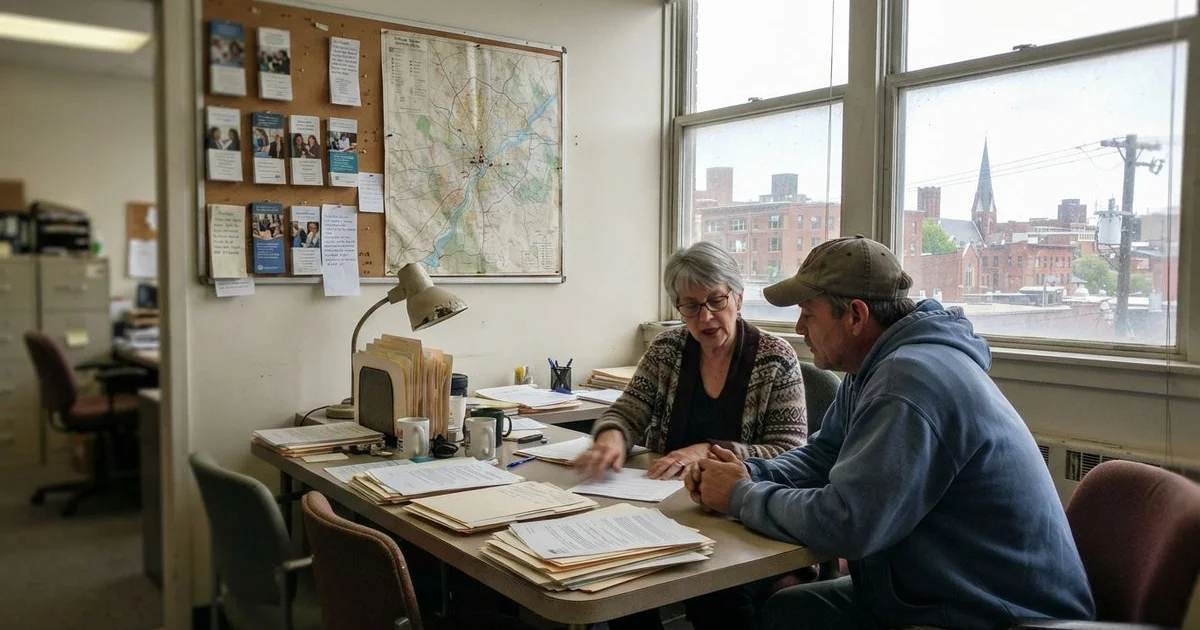
Cost shouldn’t be the reason someone facing foreclosure never gets a second opinion. Several genuinely free or low-cost resources exist specifically for this situation in New Jersey.
Where to start
| Resource | What it offers | Typical cost |
|---|---|---|
| Free attorney consultation | Case review and a fee quote for further representation | Free, then case-dependent |
| HUD-approved housing counselor | Neutral review of options like modification or repayment plans | Free |
| New Jersey’s foreclosure mediation program | Court-facilitated negotiation with the lender’s side | Free to participate |
| Income-qualifying legal aid organizations | Full or partial representation for eligible households | Free or reduced fee, income limits apply |
| Court self-help resources | General information on the foreclosure process and your rights | Free |

Free attorney consultations
Most foreclosure attorneys taking free consultations in this area use the meeting to understand your situation and quote fees for any further work, not to charge you for basic advice. This is worth using even if you’re not sure you can afford full representation yet, since you’ll at least leave with a clearer sense of your options and what they’d cost. If a firm doesn’t clearly offer a free first meeting, ask directly before booking. For a fuller walkthrough of what happens once you’re in the room, what to expect at a foreclosure attorney consultation covers what to bring and questions worth asking.
HUD-approved housing counselors
These counselors are certified through a federal program and don’t charge homeowners for their services. They can walk through your loan documents, explain loss mitigation options, and help you prepare a modification application, though they can’t provide legal representation or appear in court on your behalf. For someone still deciding whether they need an attorney at all, this is often the right first stop.
Legal aid for income-qualifying households
Several legal aid organizations serve New Jersey homeowners facing foreclosure, generally with income eligibility limits. If your household income falls under the threshold, some or all of your case may be handled at no cost or a reduced fee. Eligibility and available services vary, so contacting an organization directly with your income and case details is the only way to know where you stand.
Court self-help resources
New Jersey’s court system publishes general, free information explaining the foreclosure process, key deadlines, and what to expect at each stage. This won’t replace legal advice tailored to your case, but it’s a genuinely useful starting point if you’re trying to understand basic terminology or the overall timeline before your first conversation with an attorney or counselor.
The state’s mediation program
New Jersey runs a formal foreclosure mediation program that brings homeowners and the lender’s representatives together with a neutral mediator, at no cost to participate. It’s most useful when you go in prepared with income documentation and a specific proposal, such as a modification or repayment plan, rather than attending without a clear ask.
Be cautious of anyone charging upfront for “guaranteed” help
Free resources exist precisely because homeowners facing foreclosure are also a common target for scams. Be wary of any company that asks for a large payment before doing any work, pressures you to sign documents quickly, or guarantees a specific outcome regardless of your situation. Legitimate housing counselors and legal aid organizations don’t charge for an initial review, and legitimate attorneys explain their fees clearly before any money changes hands.
What “free” usually doesn’t cover
Free consultations and counseling sessions are genuinely free, but if your case needs full legal representation in court, that stage typically does carry a cost unless you qualify for income-based legal aid. Understanding this upfront helps set realistic expectations: the free resources are excellent for understanding your options and getting a professional read on your situation, even if paid representation eventually becomes part of the plan.
Putting these together
A realistic sequence for many homeowners: start with a HUD-approved counselor to understand your options at no cost, use a free attorney consultation to get a legal read on your specific situation, and if income qualifies, ask a legal aid organization whether they can take the case. None of these steps require spending money just to understand where you stand, and starting early gives every option more room to work.
The homepage for this directory lists local attorneys offering free consultations, ranked using the method described on the how we score page.
Frequently asked questions
- Is a foreclosure attorney consultation really free?
- Most local foreclosure attorneys offer a free initial consultation to review your situation and quote fees for any further work. It's worth confirming this when you book, since a small number of firms handle initial reviews differently.
- What is a HUD-approved housing counselor and are they free?
- They're counselors certified through a federal program to help homeowners understand options like loan modifications and repayment plans, at no cost to the homeowner. They can't represent you in court, but they're a genuinely free resource for understanding your options.
- Do I qualify for free legal aid for a foreclosure case?
- Income-based legal aid organizations serving New Jersey generally have eligibility limits tied to household income and case type. Contacting one directly is the only reliable way to confirm whether your situation qualifies.
- Is New Jersey's foreclosure mediation program free to use?
- Yes, mediation itself is a free court program, though you may still want an attorney or housing counselor's help preparing for the session, which could carry its own cost depending on who you work with.