Foreclosure protections and help for veterans and active-duty military in New Jersey
By Thomas Osei · Updated 2026-08-25
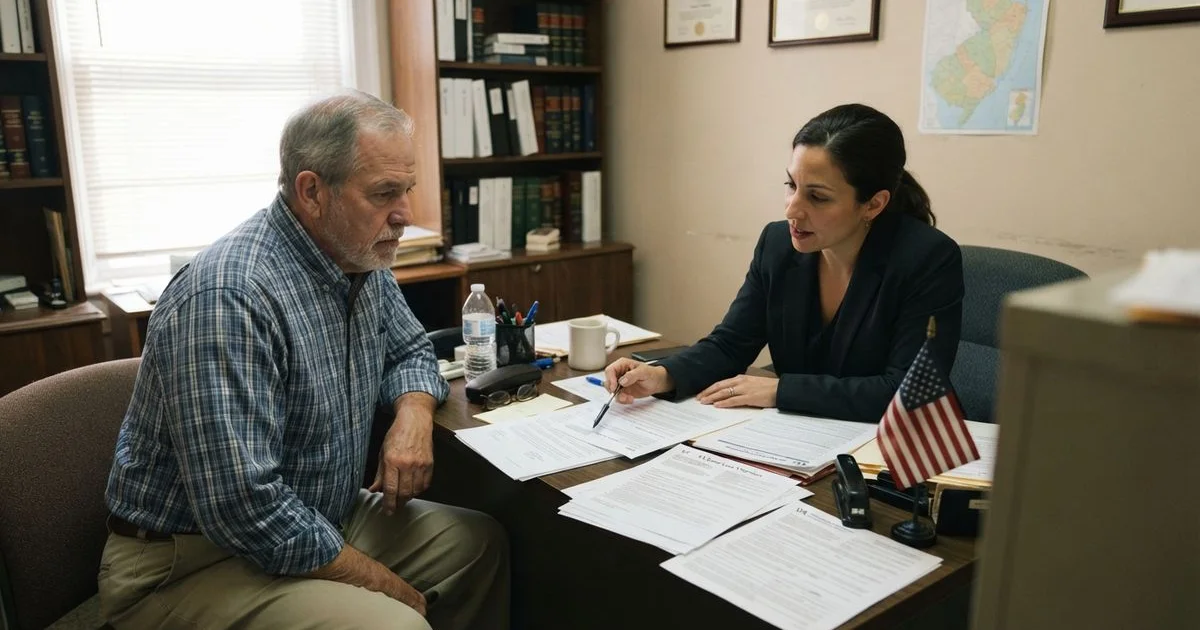
Military service adds legal protections that don’t exist for most civilian homeowners facing foreclosure, but only if you know they exist and formally invoke them.
This is general information, not legal advice for your specific service record or loan. A foreclosure attorney familiar with SCRA and VA loan servicing can confirm what applies to your case.
The Servicemembers Civil Relief Act, in practical terms
The SCRA protects active-duty servicemembers on debts, including mortgages, that originated before their active duty began. Two protections matter most in a foreclosure context: a request to cap the interest rate at 6% if service materially affects your ability to pay, and the ability to request a stay (a pause) of court proceedings, including a foreclosure case, while on active duty. Neither of these applies automatically; you generally need to notify your servicer or the court and provide proof of active-duty status.
| Protection | What it does | What triggers it |
|---|---|---|
| Interest rate cap | Limits rate to 6% on pre-service debt | Written request plus proof service affects ability to pay |
| Stay of court proceedings | Pauses a foreclosure lawsuit while on active duty | Request to the court, generally with a commanding officer’s statement |
| VA loss mitigation programs | Specific modification and repayment options for VA loans | Automatic eligibility for qualifying VA-backed loans |
| Relocation or PCS-specific assistance | Servicer flexibility tied to a documented move | Notification of orders to the servicer |

VA loans have their own path back from default
If your mortgage is a VA-backed loan, the VA has its own servicing oversight and loss mitigation options separate from standard conventional loan programs. These can include VA-specific modification terms and repayment plans designed around the structure of a VA loan. Because the VA has a direct interest in keeping veterans in their homes when reasonably possible, servicers handling VA loans are generally expected to exhaust these options before a foreclosure proceeds. Asking your servicer specifically about VA loss mitigation options, rather than only the standard modification process, can surface options that wouldn’t come up otherwise.
When deployment or a PCS move is the actual cause
A permanent change of station or deployment can create a foreclosure risk that has nothing to do with financial mismanagement, such as a property that won’t rent or sell fast enough before a move. This situation is common enough that servicers and the VA both have some familiarity handling it. Notifying your servicer as soon as orders are finalized, rather than after payments are already missed, gives more room to arrange a workable plan, whether that’s a temporary forbearance, a modification, or assistance transitioning out of the property.
How to actually invoke these protections
None of the SCRA or VA-specific protections apply just because you’re eligible; they generally require a written request and documentation, such as a copy of your orders or a statement of service. Keep copies of everything you submit and follow up in writing if you don’t get a timely response. If a case has already reached litigation, informing the court of active-duty status is a step your attorney can help formalize quickly.
Documentation to keep on hand
Whether you’re invoking the SCRA, applying for VA loss mitigation, or explaining a PCS-related hardship, having your orders, a Leave and Earnings Statement, and a copy of your loan documents organized in one place speeds up nearly every step. Servicers and courts both move faster when proof of active-duty status or a documented move is available immediately rather than requested and produced later, which is often where delays creep in.
Getting help
A foreclosure attorney experienced with both SCRA protections and VA loan servicing can move faster than someone starting from a standard civilian foreclosure playbook. The homepage for this directory lists local attorneys ranked using the method described on the how we score page, and comparing a couple of options before your case moves further along is a reasonable use of the free consultations most of them offer. If cost is a separate concern on top of your service record, free and low-cost foreclosure help in Trenton Metro rounds up other no-cost resources.
Frequently asked questions
- Does military service pause a foreclosure automatically?
- Not entirely automatically, but the Servicemembers Civil Relief Act (SCRA) gives active-duty servicemembers specific protections, including limits on foreclosure proceedings and the ability to request a stay of court proceedings, for mortgages that originated before active duty began.
- Does the SCRA cap my mortgage interest rate?
- It can. Servicemembers can generally request a 6% interest rate cap on debts, including a mortgage, that originated before entering active duty, provided military service materially affects your ability to pay.
- Are VA loan foreclosure options different from conventional loans?
- Yes. VA loans have their own loss mitigation programs, including specific modification and repayment options, and the VA has a servicing structure aimed at helping veteran borrowers avoid foreclosure where possible before a case proceeds.
- What if I'm facing foreclosure because of a PCS move or deployment?
- This is common enough that it has specific handling: PCS orders and deployment can qualify you for SCRA protections, and your servicer may have relocation-specific assistance programs. Contact your servicer and a VA loan technician or attorney as soon as orders are known.