Quiet title actions: clearing a cloudy title after foreclosure or a tax sale
By Thomas Osei · Updated 2026-07-16
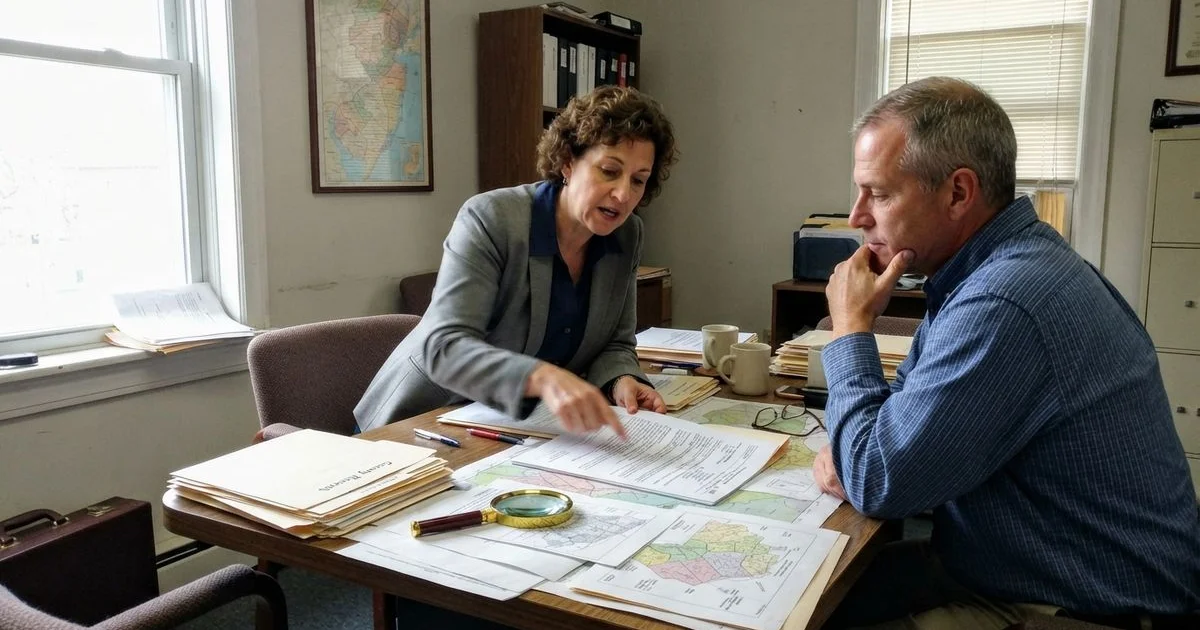
Buying a property that came out of foreclosure or a tax sale can leave you with a title that technically transferred but isn’t clean in the eyes of a lender, a title insurer, or a future buyer. That’s the exact problem a quiet title action is built to fix.
What a cloudy title actually looks like
A title is “cloudy” when there’s a real or possible competing claim against a property, even if it seems minor. Common sources in this niche: old liens that survived a tax sale, an heir who never signed off on a prior transfer, a foreclosure that skipped notifying someone with a legal interest, or a deed with an error nobody caught. None of these are hypothetical, they show up regularly in New Jersey property records tied to older foreclosures and tax lien sales.
| Common trigger | Why it clouds title |
|---|---|
| Property bought at a tax lien sale | Redemption rights and prior liens may not be fully extinguished |
| Foreclosure with an unnotified interested party | That party can later assert a claim against the new owner |
| Missing or unclear heirs on inherited property | Heirs who didn’t sign a deed still hold a legal interest |
| Old, unreleased mortgage or judgment lien | Lien appears satisfied in practice but was never formally discharged |
| Boundary or survey discrepancies | Adjoining owners may dispute where the property line actually sits |

How the process works, step by step
A real estate and title litigation attorney typically starts with a title search to identify every person or entity that could have a competing claim. From there, the process generally runs:
- Title search and chain-of-title review to identify every potential claimant, going back further than a standard purchase title search would.
- Filing the complaint in the county where the property sits, naming every identifiable interested party.
- Serving known parties directly, and publishing notice in a local paper for parties who can’t be located, which is what allows the court to bind even unknown claimants.
- Waiting out the response period, which is where most of the timeline comes from, especially with published notice.
- Default or contested hearing. If nobody responds, the court can enter judgment relatively quickly. If someone contests the claim, it becomes a more typical litigated case.
- Final judgment, which is recorded and becomes the document a lender or title insurer relies on going forward.
Why lenders and buyers actually care about this
A quiet title judgment isn’t just paperwork. Without one, a title insurer may refuse to issue a policy, a mortgage lender may decline to finance the property, and a future buyer’s attorney will likely flag the same defect during their own title search. If you’re planning to sell, refinance, or build on a property with any foreclosure or tax sale history, resolving title questions before you need to close a deal saves real time later.
What it costs and how long to budget
Costs scale with how many parties need to be served and whether anyone contests the case. An uncontested action with a handful of known parties is on the lower end; a case requiring publication for unknown heirs or multiple contested claims runs longer and costs more, mostly due to the extended timeline rather than unusual legal complexity. Ask any attorney you consult for a written estimate based on how many defendants your specific title search turns up, since that’s the single biggest cost driver.
Title insurance and why it doesn’t always solve this alone
A new title insurance policy at purchase can protect against certain future claims, but it doesn’t erase a defect that already existed and was known, or reasonably discoverable, at the time the policy was issued. If a title search already flagged an old lien or an unresolved heir claim, that specific issue often needs to be resolved directly, commonly through a quiet title action, rather than left for a future insurance claim to sort out.
Getting started
If a title search on a property you own, inherited, or are buying turns up an old lien, a missing signature, or an unresolved claim tied to a prior foreclosure or tax sale, a quiet title action is usually the cleanest fix. Comparing local firms on this directory’s homepage, scored using the method described on the how we score page, is a reasonable starting point before your first consultation.
Frequently asked questions
- What is a quiet title action used for?
- It's a lawsuit that asks a court to formally settle who owns a property when the title is unclear or disputed, often because of old liens, competing claims, missing heirs, or gaps left by a prior foreclosure or tax sale.
- Do I need a quiet title action if I bought a property at a tax sale or foreclosure sale?
- Often yes. A tax sale certificate or foreclosure deed doesn't always erase every prior claim automatically. Lenders and title insurers frequently require a quiet title judgment before they'll issue a mortgage or insurable title on the property.
- How long does a quiet title action take in New Jersey?
- Contested cases with easy-to-locate defendants can resolve in a few months. Cases involving unknown heirs or parties who must be notified by publication commonly take six months to over a year, since the court has to allow time for a response before entering judgment.
- Can I file a quiet title action myself?
- It's legally possible but rarely advisable. The complaint has to correctly name every party with a potential claim, follow strict service and publication rules, and hold up against a later challenge. A missed step can force you to start over.