Selling your house to avoid foreclosure: short sale, deed in lieu, or listing it yourself
By Thomas Osei · Updated 2026-08-13
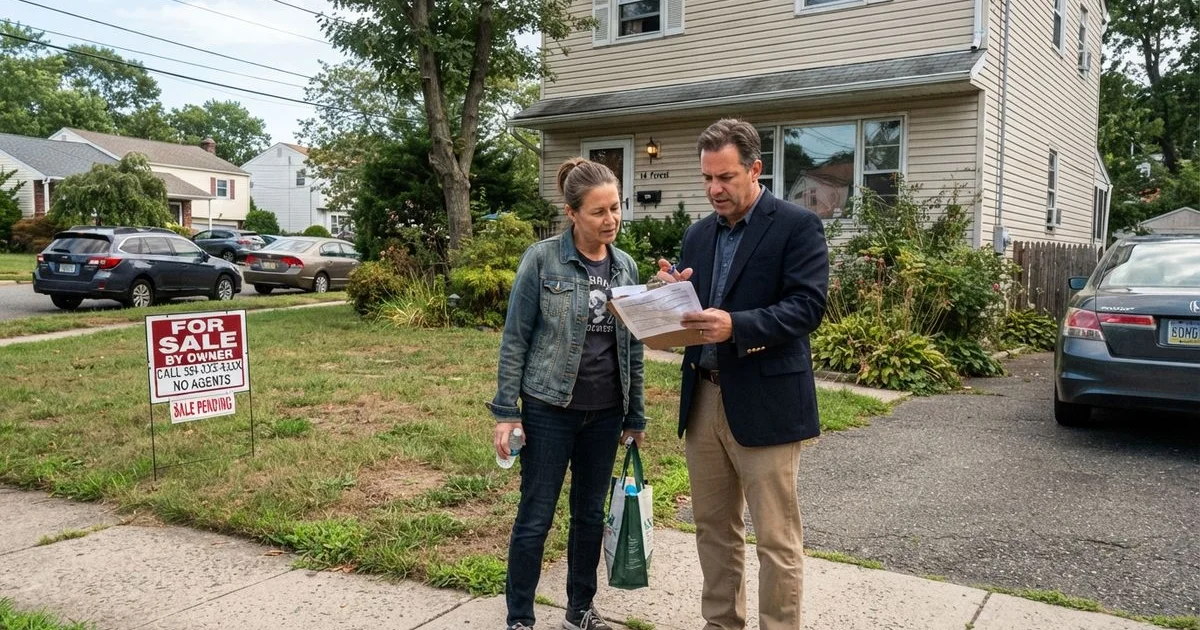
When keeping the house isn’t realistic, selling it, in one of a few different forms, can still be a better outcome than letting a foreclosure run its full course. This is general information, not legal or financial advice for your specific situation.
The three main paths
| Path | How it works | Best fit when |
|---|---|---|
| Traditional sale | List and sell normally, proceeds pay off the mortgage in full | You have equity and enough time before a sale date |
| Short sale | Home sells for less than owed, lender approves accepting the shortfall | You’re underwater but a buyer is realistic to find |
| Deed in lieu of foreclosure | You transfer the deed directly to the lender, no buyer needed | No equity, no time to market, lender is willing to agree |
Traditional sale: the cleanest option if it’s realistic
If there’s enough equity to pay off the mortgage, arrears, and closing costs, a straightforward sale is usually the least damaging option for your credit and your timeline. The catch is time: listing, finding a buyer, and closing takes weeks to months, so this option only works if there’s genuinely enough runway before a scheduled sale date. Talking to your servicer about pausing or delaying the foreclosure timeline while a sale is actively in progress is worth doing early.
Short sale: when you’re underwater but a buyer is realistic
A short sale becomes relevant when the home is worth less than what’s owed. Because the lender is agreeing to accept less than the full balance, they have to approve the sale price and terms before it can close, which adds a layer of negotiation and time on top of a normal sale process. It generally has a smaller, though still real, impact on credit compared to a completed foreclosure, and it avoids the sheriff’s sale process entirely if it closes in time.
Deed in lieu: fastest, but only if the lender agrees
A deed in lieu of foreclosure skips the market entirely: you and the lender agree that you’ll hand over the deed directly, and they accept the property instead of continuing the foreclosure. Lenders typically want a clean title with no other liens or claims before agreeing to this, and they may still pursue a deficiency amount depending on the loan terms and state rules, so it’s not automatically a clean slate. When a lender is willing, it can resolve things faster than either type of sale.
Weighing credit impact and what comes after
All three options affect credit differently than an undisputed default, but none of them are consequence-free. Generally, a traditional sale that pays off the loan in full has the least lasting impact, a short sale is a step down from that, and a deed in lieu or completed foreclosure carry the most lasting effect. If avoiding a deficiency judgment matters to your decision, get that specific point addressed in writing as part of whichever agreement you sign, since terms vary by lender and loan type.
The tax question people forget to ask
When a lender agrees to accept less than the full balance, whether through a short sale or a deed in lieu with forgiven debt, that forgiven amount can sometimes be reported as taxable income. Certain exclusions apply to forgiven mortgage debt on a primary residence in some circumstances, but the rules are specific and change depending on the tax year and your situation. Ask your attorney or a tax professional about this before finalizing any agreement, rather than discovering a tax bill the following spring.
Getting the timing right
The biggest factor in which option is realistic isn’t preference, it’s time. A traditional sale needs the most runway, a short sale needs enough time to find a buyer and get lender approval, and a deed in lieu needs the least, since there’s no market process involved. If a sale date is already scheduled, ask an attorney immediately whether any of these paths can still work or whether a different strategy, like a bankruptcy filing, is a better use of the remaining time. If you’re earlier in the process and just opened a notice of default, you likely have more of that runway left than it feels like right now.
Comparing local attorneys who handle these situations is available on the homepage, which ranks firms using the method described on the how we score page.
Frequently asked questions
- Can I sell my house myself once I'm behind on the mortgage?
- Yes, as long as the sale price covers what's owed, including arrears and any fees. This works best while you still have equity and before a sale date is close, since a traditional sale takes time to market and close.
- What's the difference between a short sale and a regular sale?
- A short sale happens when the home sells for less than what's owed, which requires the lender's approval since they're accepting less than the full balance. A traditional sale pays the mortgage off in full from the proceeds and doesn't need lender approval.
- Does a deed in lieu of foreclosure hurt credit less than a foreclosure?
- It's generally viewed somewhat more favorably than a completed foreclosure, but it still has a real, negative credit impact. Neither compares favorably to catching up payments or a modification if either is realistically possible.
- How fast does a deed in lieu happen compared to a short sale?
- A deed in lieu is typically faster since there's no buyer to find or sale to negotiate, just an agreement between you and the lender to transfer the property directly. A short sale depends on finding a buyer and getting lender sign-off, which usually takes longer.