How to help an aging parent facing foreclosure in New Jersey
By Thomas Osei · Updated 2026-08-24
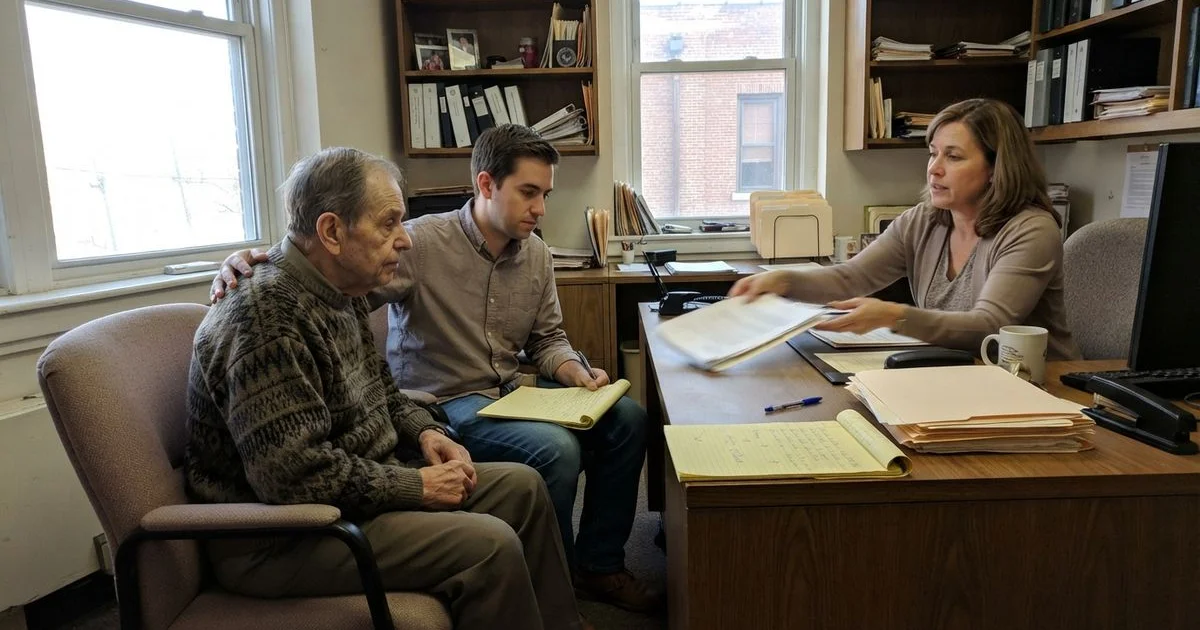
Watching a parent fall behind on their mortgage is stressful in a way that’s different from facing your own foreclosure. You’re trying to help without taking over, and often without full visibility into what’s actually happening with their finances.
The good news is that most of what needs to happen has a clear, standard path, even if the situation still feels overwhelming in the moment.
Getting the legal authority to actually act
Mortgage servicers generally won’t discuss account details with an adult child unless there’s documented authorization, such as a power of attorney, being added as an authorized contact on the account, or in some cases a signed release for that specific conversation. If your parent is willing but overwhelmed, getting this authorization set up early, before a crisis point, is one of the most useful things you can do. If they’re already experiencing cognitive decline, this may require a broader legal conversation about a durable power of attorney with an elder law attorney.
| Step | Purpose |
|---|---|
| Ask about a power of attorney or authorized contact status | Lets you legally speak with the servicer on their behalf |
| Request a copy of recent mortgage statements together | Establishes the real numbers before deciding on next steps |
| Contact a HUD-approved housing counselor together | Free, neutral review of options without you having to be the expert |
| Watch for unsolicited “rescue” offers arriving by mail or phone | Common scam pattern specifically targeting older homeowners |
| Involve an elder law or foreclosure attorney if the situation is complex | Especially relevant if capacity or family disagreement is a factor |

Starting the conversation without it feeling like an intervention
Many older homeowners avoid discussing financial trouble out of pride or fear of losing independence. Framing the conversation around a specific, low-stakes action, like reviewing a free counseling session together or simply understanding what a recent notice actually says, tends to work better than a broad “we need to talk about your finances” opener. Offering to sit in on a call together, rather than taking it over entirely, respects their role while still getting you useful information.
Reverse mortgages complicate this further
If your parent has a reverse mortgage, foreclosure risk often comes from a different source than a missed payment: failing to pay property taxes or homeowners insurance, or not meeting occupancy requirements, can trigger a default even if the loan itself has no monthly payment. If a reverse mortgage is involved, ask specifically about what triggered any notice received, since the fix looks different than a traditional missed-payment scenario.
Scams specifically target older homeowners in this situation
Foreclosure rescue scams frequently target elderly homeowners directly, sometimes through unsolicited calls, mailers, or door-to-door visits offering to “save the house” for an upfront fee or by having the homeowner sign over the deed temporarily. Reviewing any mail or offers together, and being wary of pressure to act quickly or keep an arrangement private from family, can prevent a bad situation from becoming worse.
Balancing multiple siblings’ involvement
When more than one adult child is involved, disagreement about the right approach is common, particularly between someone who wants to act quickly and someone who feels sidelined or worried about a parent’s independence. Agreeing early on who will be the primary point of contact with the servicer or attorney, and keeping other family members informed rather than each reaching out separately, avoids sending conflicting information and slowing the case down.
When to bring in a professional
If your parent’s situation involves a reverse mortgage, signs of cognitive decline, or disagreement among family members about what to do, an elder law attorney alongside a foreclosure attorney can address both the legal authority question and the mortgage problem together. A first consultation is often free and can clarify quickly whether the situation is manageable through counseling alone or needs formal legal help, and having that answer early takes real pressure off the whole family. If the mortgage ever outlives your parent, foreclosure after a death in the family covers what happens to the loan and how heirs can keep it current.
Local attorneys who handle these situations are listed on the homepage, ranked using the method described on the how we score page.
Frequently asked questions
- Can I talk to my parent's mortgage servicer on their behalf?
- Generally not without written authorization, such as a power of attorney or being added as an authorized third party on the account. Ask the servicer directly what documentation they require before assuming you can act on your parent's behalf.
- What if my parent doesn't want help or won't discuss their finances?
- This is common and often tied to embarrassment or fear of losing independence. Framing the conversation around getting a free, no-obligation review of options, rather than taking over their decisions, tends to go over better than an intervention-style conversation.
- Are there special protections for elderly homeowners in foreclosure?
- There's no blanket foreclosure exemption based on age alone, but seniors are more likely to qualify for property tax relief programs, and some loan modification programs weigh fixed income differently. A housing counselor can identify what actually applies.
- How do I know if someone is trying to scam my parent?
- Be suspicious of anyone contacting your parent directly with an urgent, unsolicited offer to stop foreclosure, especially if they ask for money upfront or want your parent to sign over the deed. Legitimate help doesn't require secrecy or urgency.